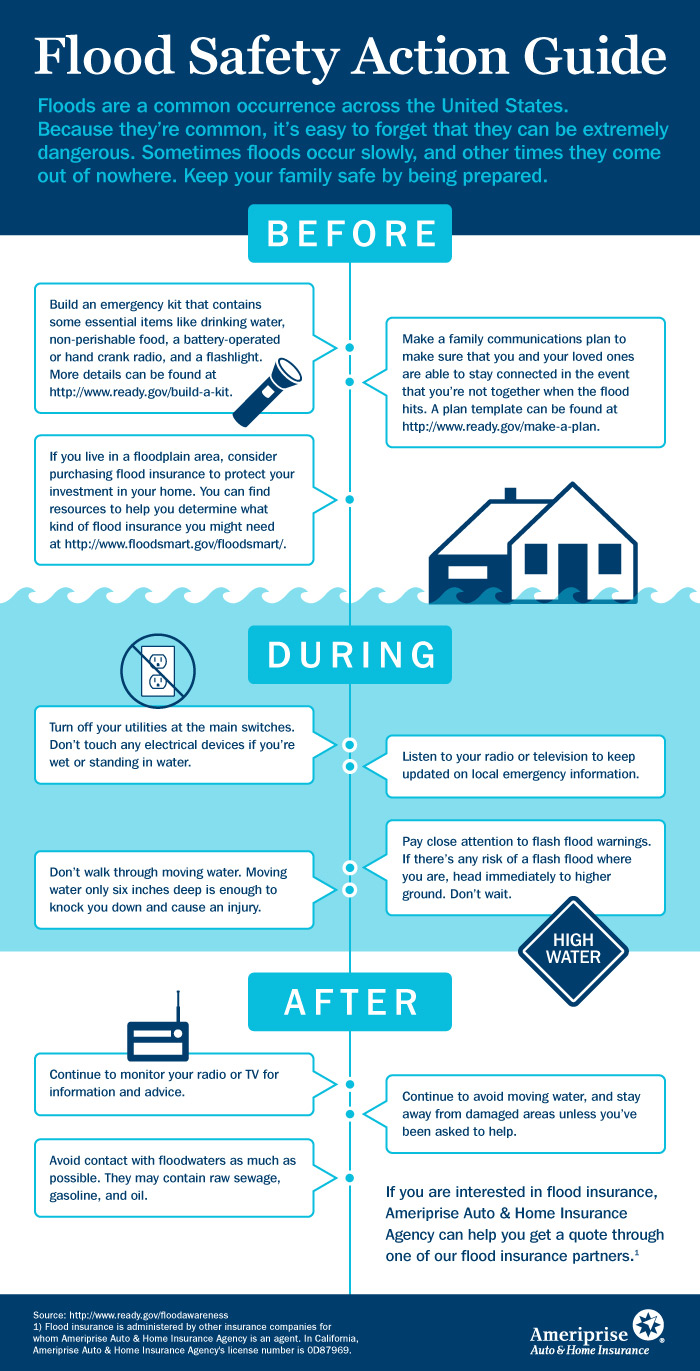
When basement flooding takes place, it can disrupt your life and cause costly fixings. You need to act quickly to minimize damages and ensure your room is secure again. First, you'll intend to identify the source of the water and begin the cleanup process. However recognizing the reasons and applying efficient repair strategies is critical for lasting avoidance. What actions should you take beside secure your home from future problems?
Root Causes Of Cellar Flooding and How to Address Them?
Basement flooding can stem from numerous usual reasons, and resolving them promptly is crucial to avoid comprehensive water damages.
First, heavy rainfall or quick snowmelt can overwhelm your drain systems. Make sure seamless gutters and downspouts are clear and straight water far from your structure.
Second, bad rating around your home can lead to water merging near your cellar. You might need to regrade your yard to make sure proper drainage.
Third, plumbing leakages from defective pipes or appliances can contribute to excess moisture. Frequently inspect your pipes for any kind of signs of wear or leaks.
Last but not least, groundwater seepage via fractures in your structure can be a concern. Seal these splits with proper products to shield your cellar from future flooding.
Step-by-Step Water Damage Assessment and Cleaning Process
When taking care of water damages, a systematic approach can make all the distinction. Begin by examining the affected locations. Identify the source of the water and stop it if possible.
Next, record the damage with pictures for insurance policy purposes. Get rid of any standing water using pumps or damp vacs, and guarantee correct air flow to dry the area.
Check for covert dampness in wall surfaces and floorings, and eliminate any kind of drenched products like rugs or drywall.
Sanitize the area to prevent mold development; utilize a mixture of water and bleach for therapy.
Lastly, keep building materials of the space to ensure it's drying out properly. By complying with sump pump installation , you can effectively handle the water damage and get ready for the next stages of restoration.
Next Steps After Water Damage: Secret repair Strategies
After you've evaluated and cleaned up the first water damage, it's time to concentrate on restoration strategies that can bring your basement back to its original state.
First, make certain correct air flow to aid dry out the location; open home windows and utilize followers to flow air.
Next off, take into consideration making use of a dehumidifier to decrease dampness levels, stopping mold and mildew development.
Read More Here and replace any type of broken insulation or drywall, as these materials can catch water.
Tidy and sterilize all surfaces with a mixture of water and bleach to eliminate microorganisms.
Lastly, check your flooring; if it's hardwood, permit it to dry gradually to avoid bending.
For carpets, think about professional cleansing or substitute if they're as well harmed.
Taking these steps will assist restore your basement successfully.
Final thought
In conclusion, managing cellar flooding can be frustrating, but by following these actions, you can properly take care of the situation. Recognize the resource, remove standing water, and record the damages. Keep in mind to disinfect the area and screen for concealed wetness. Once you have actually restored your area, take safety nets to stay clear of future issues. Stay cautious with routine assessments and keep an eye on weather condition patterns to protect your cellar from potential flooding down the line.